
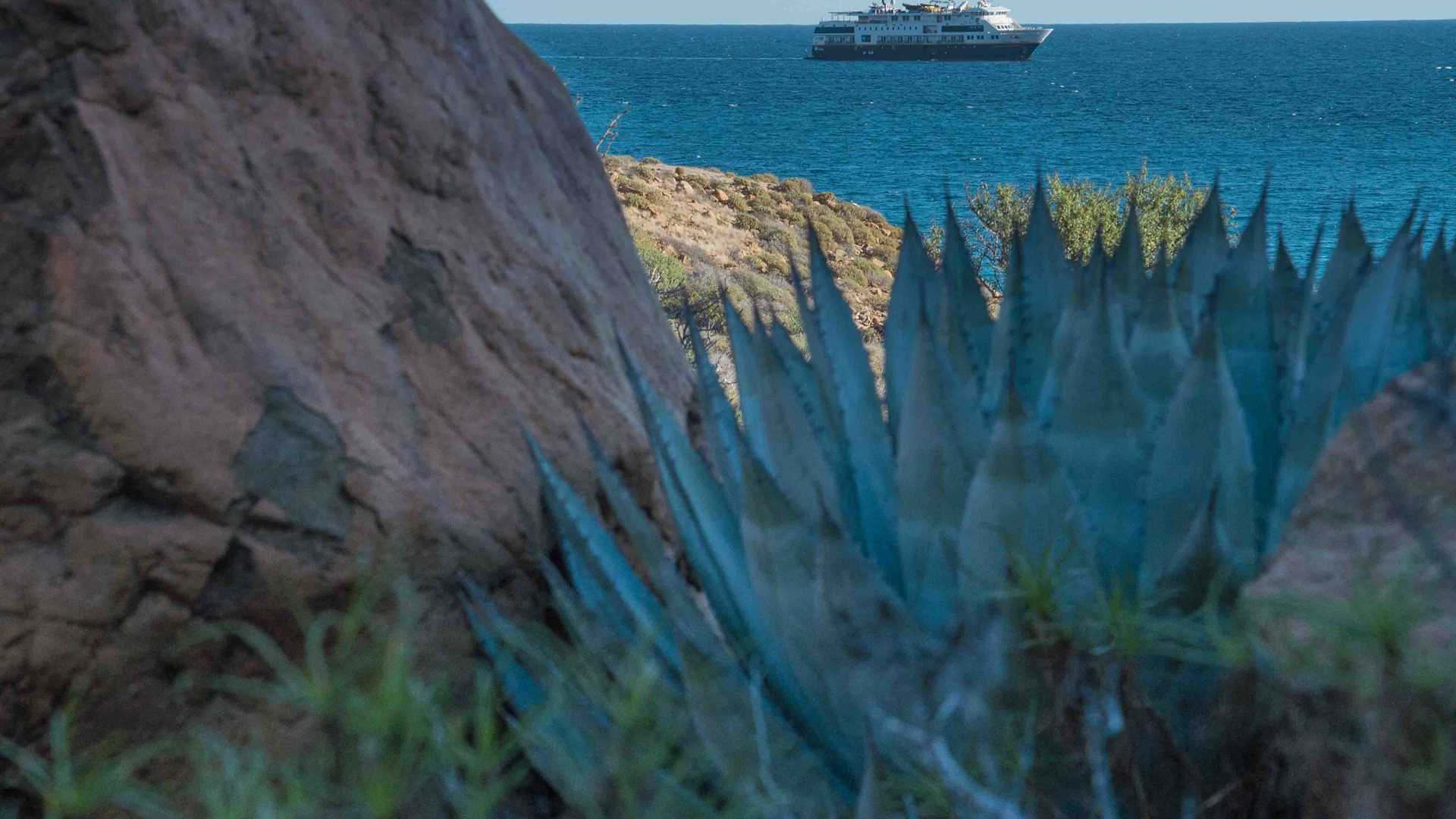

As we continue our journey southward along the Pacific side of the Baja Peninsula, we have returned to several themes that connect the many seemingly disparate locations we have explored: isolation and endemism. Like on the islands of the California and the north, the islands of Baja are dominated by species that have been isolated for thousands of years and have since diverged to become their own unique species found nowhere else in the world. Today we visited Isla Cedros to continue our search for the rare and unique. Guests hiked through a sprawling arroyo to get glimpses at diverse plant, bird, and reptile endemics and subspecies. Later in the day we sailed further around the southern side of the island to learn about the one permanent settlement and its dependence on salt production, encountered hundreds of flying fish gliding just above the waves, and boarded our Zodiacs for a relaxing sunset cruise.
- Daily Expedition Reports
- 16 Dec 2019
Baja Peninsula , 12/16/2019, National Geographic Venture
- Aboard the National Geographic Venture
- Baja California

Alex Krowiak, Naturalist/Certified Photo Instructor
A childhood surrounded by the woods and streams of Pennsylvania initially sparked Alex’s curiosity about nature. That curiosity eventually led him to pursue degrees in biology and environmental studies at Boston College. During his time there he cond...
Read More
Dexter Sear, Video Chronicler
Dexter grew up in England where a love for exploring the countryside ignited a lifelong passion for discovering natural history and embarking on adventure. As a teenager, two trips to India sparked a fascination with insects and a desire to share a “...
Read MoreShare Report
A Southern Migration: From the Channel Islands to Baja California
VIEW ITINERARYRelated Reports
12/13/2021
Read
National Geographic Venture
San Jose del Cabo
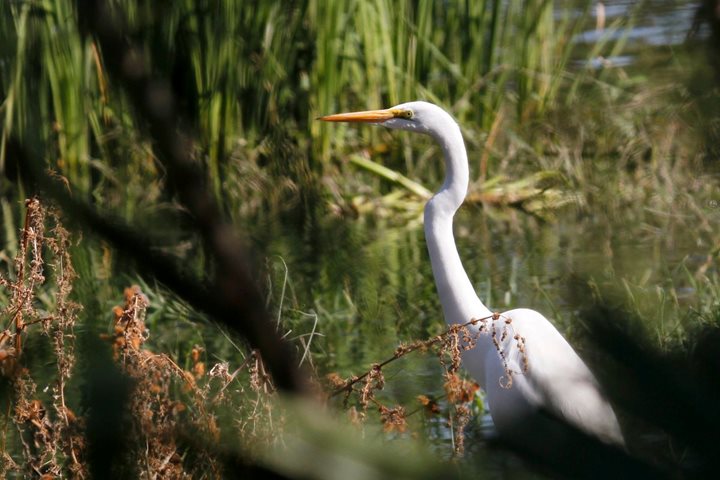
In nature, borders are fluid and transition zones dynamic, as we are discovering on our voyage along the Pacific Coast. We traveled from the cool temperate waters of the California Coast to the warm, tropical waters of Baja California Sur. We have seen communities of fish, including the orange Garibaldi of the northern kelp forests and the bright reef fishes of the southern coral. As we crossed the Tropic of Cancer this morning, we moved into the tropics. A warm, humid wind welcomed us as we rounded the cape of the Baja Peninsula toward the Sea of Cortez, signaling our official entry into an ecosystem defined by arid desert mountains, lush freshwater oases, and abundant ocean waters. To begin our exploration, we landed in the town of San Jose del Cabo, where guests discovered the natural and cultural history of the peninsula’s southernmost point. Some walked through the estuary, an oasis in the desert to a huge diversity of bird life. Others took a historical tour of the town center with stops at the Catholic mission and an artisan glass blowing factory, both glimpses into a culture that thrives here in the heat of the desert. The tropics provide perfect conditions for marine megafauna; humpback whales migrate over 4,000 miles from summer feeding grounds in Alaska to take advantage of warm ocean waters as they give birth to their young. When we returned to the ship later in the day, we spotted multiple groups of these gentle giants almost immediately. A mother and newborn calf calmly swam along the surface while another group of four adult males tail-slapped and lunged in displays of competition. Simultaneously, bottlenose dolphins swam beneath the ship. All in all, an exciting and dramatic welcome to the warmth of the tropics! We will spend the last two days of the trip breathing it all in.
12/12/2021
Read
National Geographic Venture
Isla Magdalena
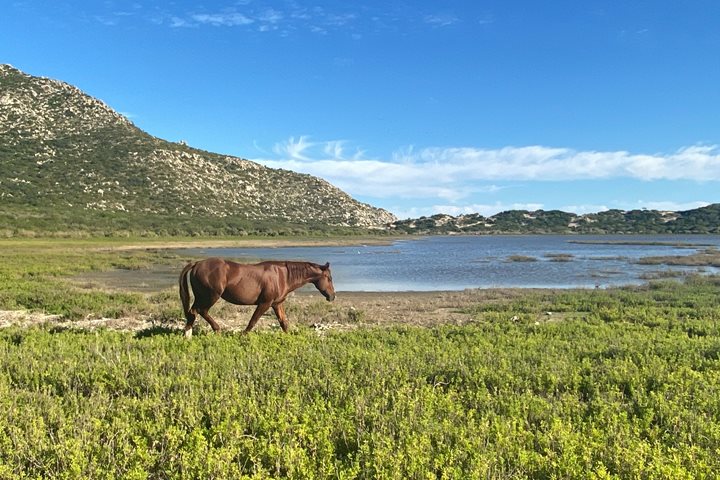
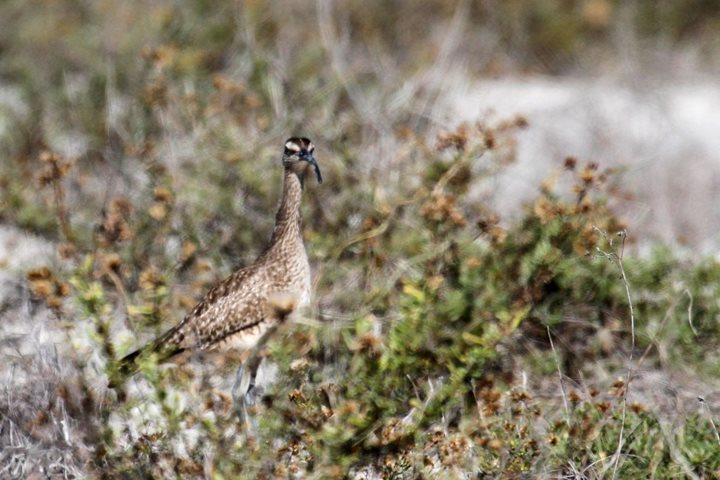
Today was our second day in the protected waters of the bay. National Geographic Venture lifted the anchor before sunrise, and sailed from Bahia Almejas to Bahia Magdalena. We sailed along Isla Santa Margarita as the sun started to rise, and by daytime we dropped the anchor near Isla Magdalena. Here we had our morning activities, which included walks across the island towards the Pacific side, into the mangroves for bird watching, or simply time to explore on our own. We landed on the south side of the island, not too far from the tiny town of Puerto Magdalena. The beauty of this place is unique. Today we learned about the myriad of creatures that inhabit the sand dunes, from coyotes and jackrabbits to the tiny beetles, mice and lizards. Once at the beach on the Pacific side of Isla Magdalena, everyone enjoyed their experience in a different way. Some sat down in the sand to contemplate the views, and others walked far along Bahia Santa Maria. The bird watchers found over thirty species of birds, while learning about plants and the dune ecosystem as they explored the mangroves. After a very nice morning on Magdalena Island, we sailed away from the bay into the Pacific Ocean once again, bound for the Los Cabos region. On our way out, before even leaving the bay, a humpback whale and its calf breached several times not too far from the ship. As we kept sailing, we had other encounters with several humpbacks and interesting seabirds.