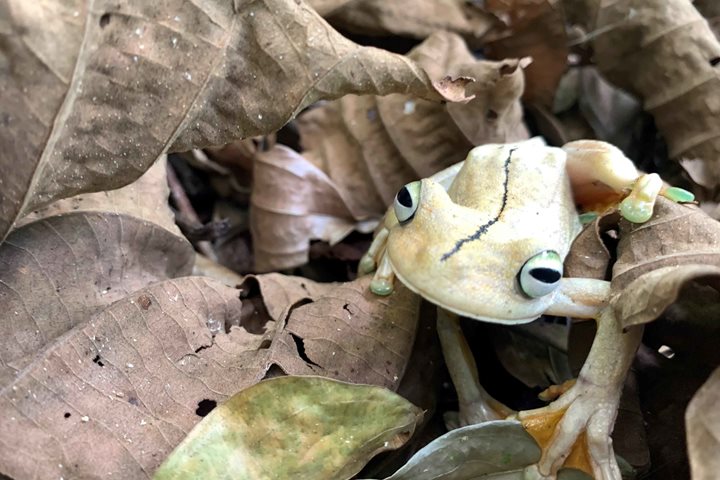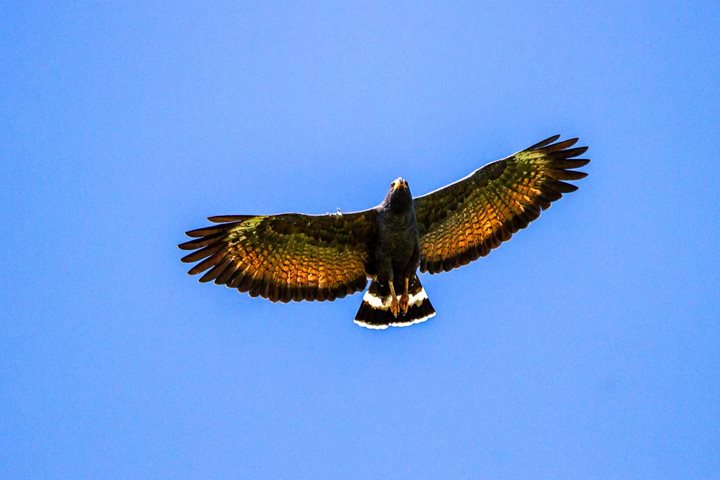
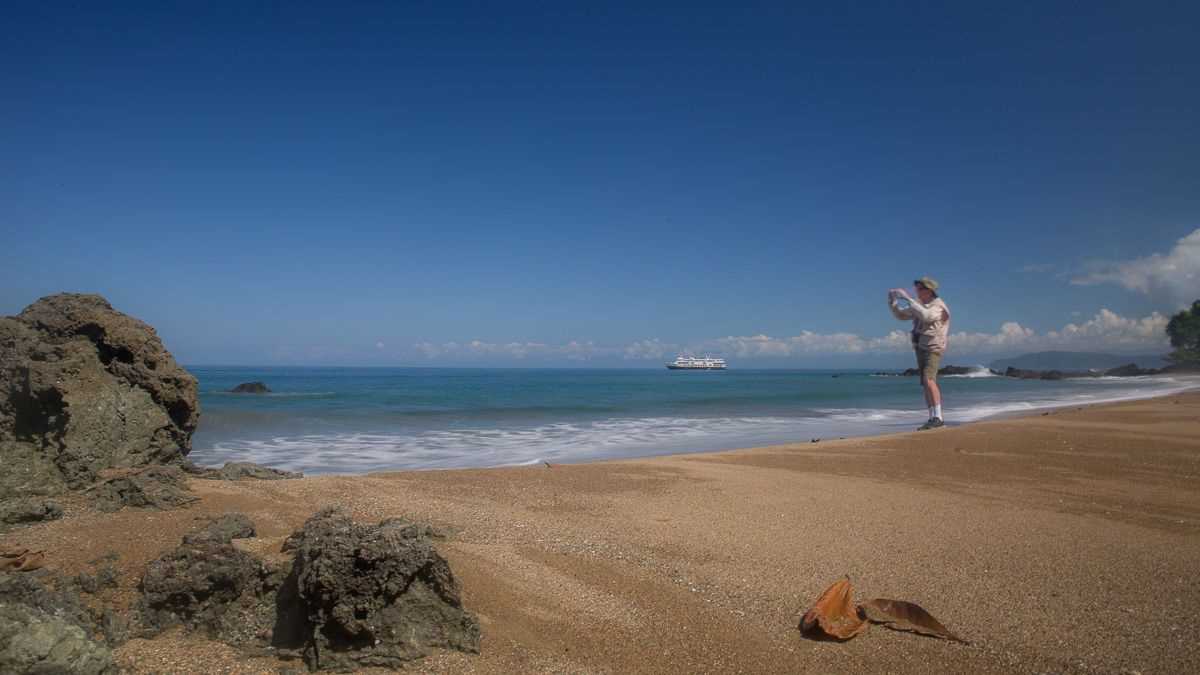
The first day of our trip found us in the southernmost peninsula on the Pacific coast of Costa Rica: the Osa Peninsula. Isolated from the rest of the country for many years because of its remoteness, the peninsula preserves one of the best kept pieces of rainforest in the Meso American region. Considered one of the most biodiverse places in the world, we were lucky enough to explore it both in the morning and afternoon. Caletas Bay greeted us early for various activities such as horseback riding, a power walk, a long forest trail and a premises walk. Contrary to popular knowledge, leaf-cutter ants can be really interesting! In the afternoon we took off to Corcovado National Park, a 42,000-hectare piece of rainforest preserved since the 1980s. We could do two activities: walk to a waterfall and take a dip in it, or walk a flatter terrain trail parallel to the beach and search for wildlife. Howler monkeys, spider monkeys, horses, leaf cutter ants and army ants were waiting to be spotted.

2/26/2022
Read
National Geographic Quest
Osa Peninsula and San Josesito
Today, National Geographic Quest arrived in the gateway of Corcovado National Park, Costa Rica’s most ecologically intense rainforest. Its diversity is unparalleled. In the morning, our guests enjoyed either a long hike or a walk along the coastline. In both activities, guests spotted scarlet macaws, their colors blazing in the tree canopy. Other tropical birds also displayed extraordinary colors. Among others, we spotted scarlet-rumped tanagers, bay-headed tanagers, and red-legged honeycreepers. We also observed land mammals, including white-nosed coatimundis, on the grounds of the coastal walkway of San Josesito Beach. Later in the afternoon, we repositioned to San Pedrillo, one of the stations of the national park and a highlight of our voyage. The chance to dip into a waterfall pool made every meter of the walk worth it. Along the hike, guests spotted American crocodiles and many types of tropical birds. The importance of this area is demonstrated by the size of its trees. The park, 80% of which is protected, maintains a good balance of the species that inhabit this gorgeous rainforest. The pargo trail was another option for hiking today, and guests enjoyed great sightings of spider monkeys, black-hooded antshrikes, dot-winged antwrens, and rufous pihas. After the afternoon activities, we headed back to the ship. We enjoyed the recap sessions, a great end to this day.