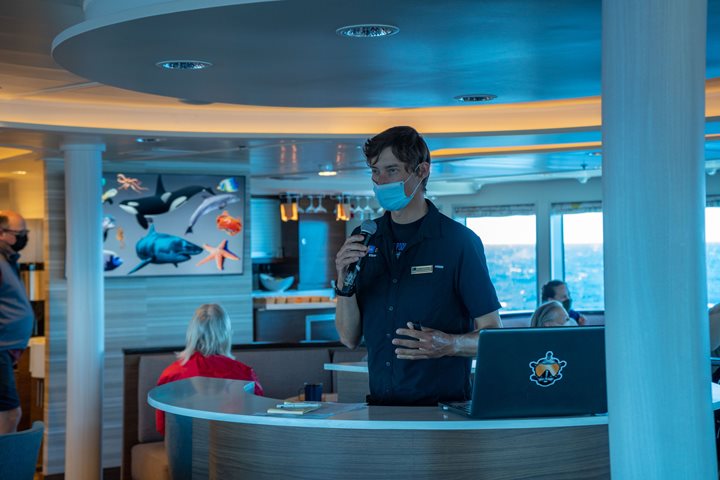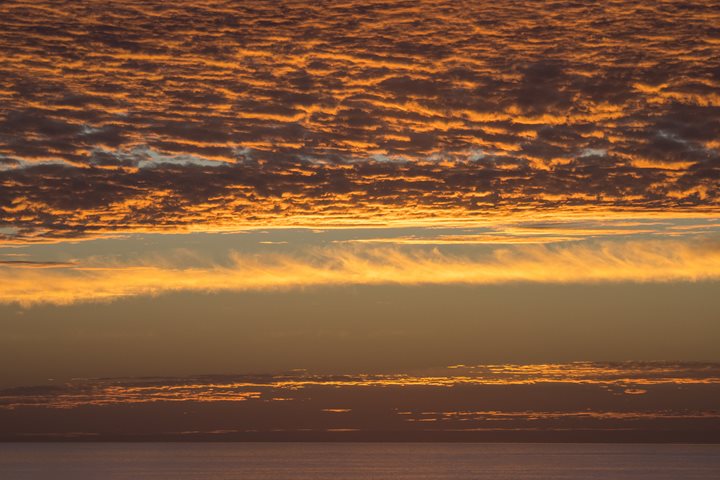
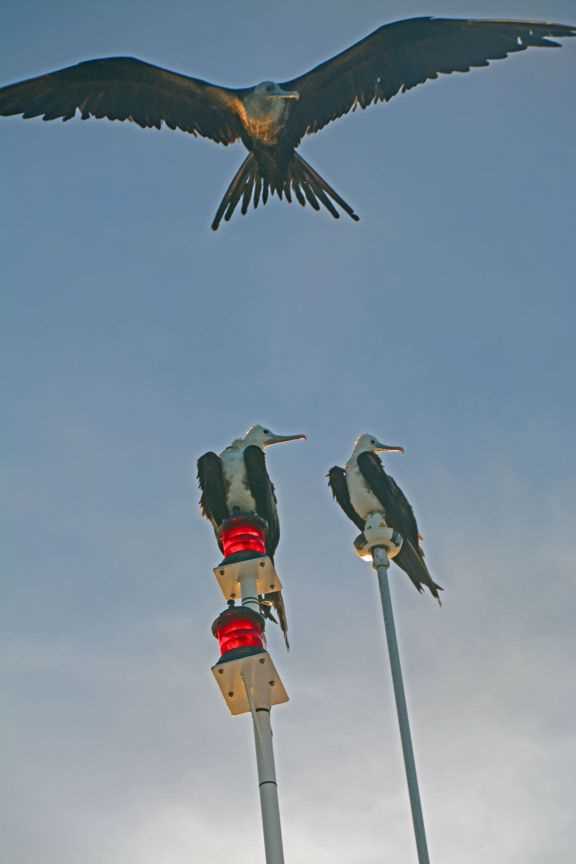
National Geographic Sea Bird had a very easy ride overnight from the southernmost tip of the Baja California Peninsula, northward along the Pacific Coast. As the skies lightened, Isla Santa Margarita was in sight, and by 10 a.m. we entered Magdalena Bay. We had a presentation by National Geographic Guest Speaker Greg Marshall, who told us the story of his invention—the Crittercam, which has captured about 80 species of wild animals and given researchers a lot of insight into their natural lives. In the afternoon, we transited the narrow, mangrove-lined Hull Canal, between the peninsula and Isla Magdalena. Many species of herons and shorebirds, as well as cormorants, white ibis, brown pelicans, and gulls were sighted from the deck. We anchored near Boca de Soledad at the northern end of Isla Magdalena and had a chance to go ashore to walk and photograph among the dunes.

2/25/2022
Read
National Geographic Venture
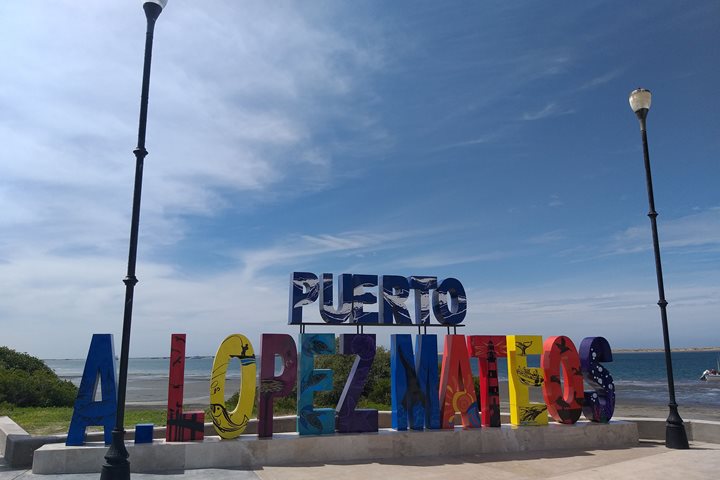
Port Lopez Mateos
This morning, National Geographic Venture docked at the interesting port, San Carlos. From the 1940s to the 1990s, the port was used for loading agricultural products and fertilizers from the nearby Santo Domingo Valley. Nowadays, San Carlos is basically a place for loading sardines from a local cannery. It is also an important tourist base for whale-watching, principally mating gray whales. At the port, all guests and staff boarded buses to Lopez Mateos, a town located near the northernmost tip of Magdalena Island. The buses traveled across Magdalena Plain, a section of the Sonoran Desert that receives a lot of moisture in the form of dense fog from the Pacific Ocean. Lichens and orchillas, a type of flowering plant, give the desert a phantasmagoric appearance. Guests and staff enjoyed spotting numerous birds, including crested caracaras and kestrels. Once in Lopez Mateos, we boarded local pangas for whale-watching. During two rounds of whale-watching, we encountered several whales close to our pangas. However, most of the whales were preoccupied with traveling, searching for mates, or just finishing their time of reproduction and thus exiting the lagoon. In reality, the whales were not interested in interacting with the boats and their excited cargo, but we had many opportunities to observe the behavior of these magnificent animals. In town, we all delighted in a delicious fish lunch, ‘pescado zarandeado.’ We enjoyed exploring the local dock with its many colorful shops and crafts, and we admired the wonderful sculpture of a cow-calf pair of gray whales.